
Категории
Новый блог
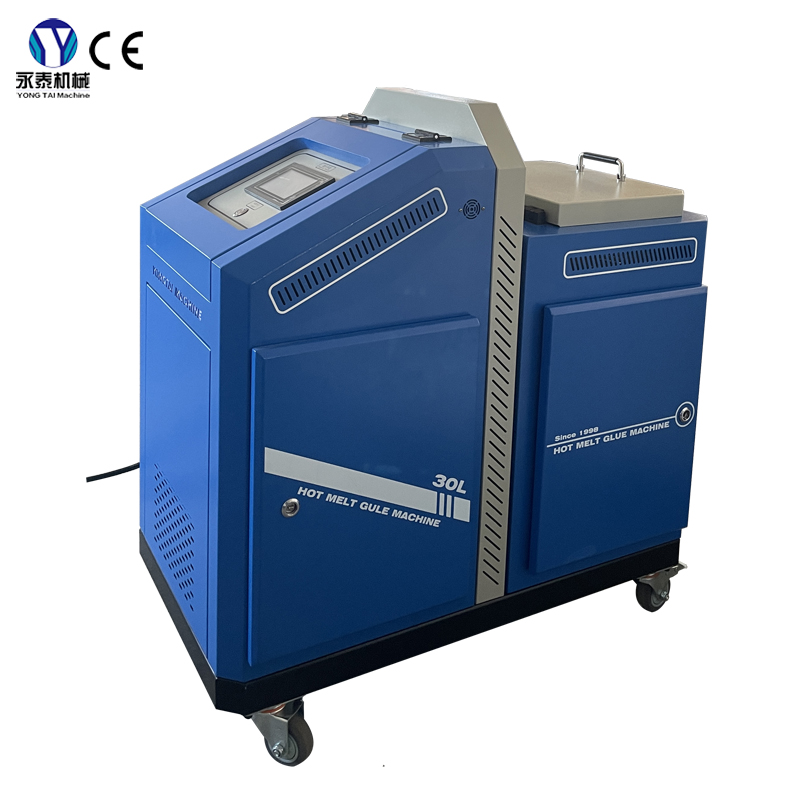
Основные технологические особенности машины для нанесения термоклея: подробное описание систем контроля температуры, подачи клея и распыления.
March 30 , 2026В этой статье простым языком подробно объясняются принципы работы, основные технологии и критерии выбора этих трех систем, а также приводятся ответы на часто задаваемые вопросы. Она помогает специалистам по закупкам, проектированию и техническому обслуживанию сразу понять принцип работы машин для нанесения термоплавких клеев, что позволяет им выбрать подходящее оборудование, эффективно его использовать и снизить количество неисправностей.
I. Взаимосвязь между тремя основными системами
Полный рабочий процесс машины для нанесения термоплавкого клея можно суммировать в четыре этапа: плавление твердого клея → стабильная подача клея → точное распыление клея → быстрое отверждение.
Система контроля температуры: определяет, находится ли клей в оптимальном состоянии плавления, предотвращая обугливание, засорение сопла и поддерживая стабильную вязкость.
Система подачи клея: определяет, является ли давление клея стабильным, скорость потока равномерной, а подача клея — непрерывной и бесперебойной.
Система распыления клея: определяет форму клея, точность его количества, место нанесения, а также наличие или отсутствие образования нитевидных разводов.
Эти три системы образуют замкнутый цикл: нестабильный контроль температуры → аномальная вязкость → колебания давления подачи клея → неравномерное распыление клея → разрушение клея. В свою очередь, требования к распылению клея определяют параметры подачи клея и диапазон контроля температуры. Только при стабильной совместной работе этих трех систем оборудование может эффективно и бесперебойно функционировать в течение длительного времени.
II. Система контроля температуры
Основная функция
Оптимальная рабочая температура для термоплавких клеев обычно составляет от 160℃ до 220℃. Отклонения температуры, превышающие ±5℃, приведут к серьезным проблемам:
* Низкая температура: плохая текучесть клея, медленное дозирование, легкое засорение распылителя, недостаточная прочность сцепления.
* Высокая температура: адгезионная карбонизация, изменение цвета, хрупкость, образование запаха, увеличение количества отходов и загрязнение трубопроводов.
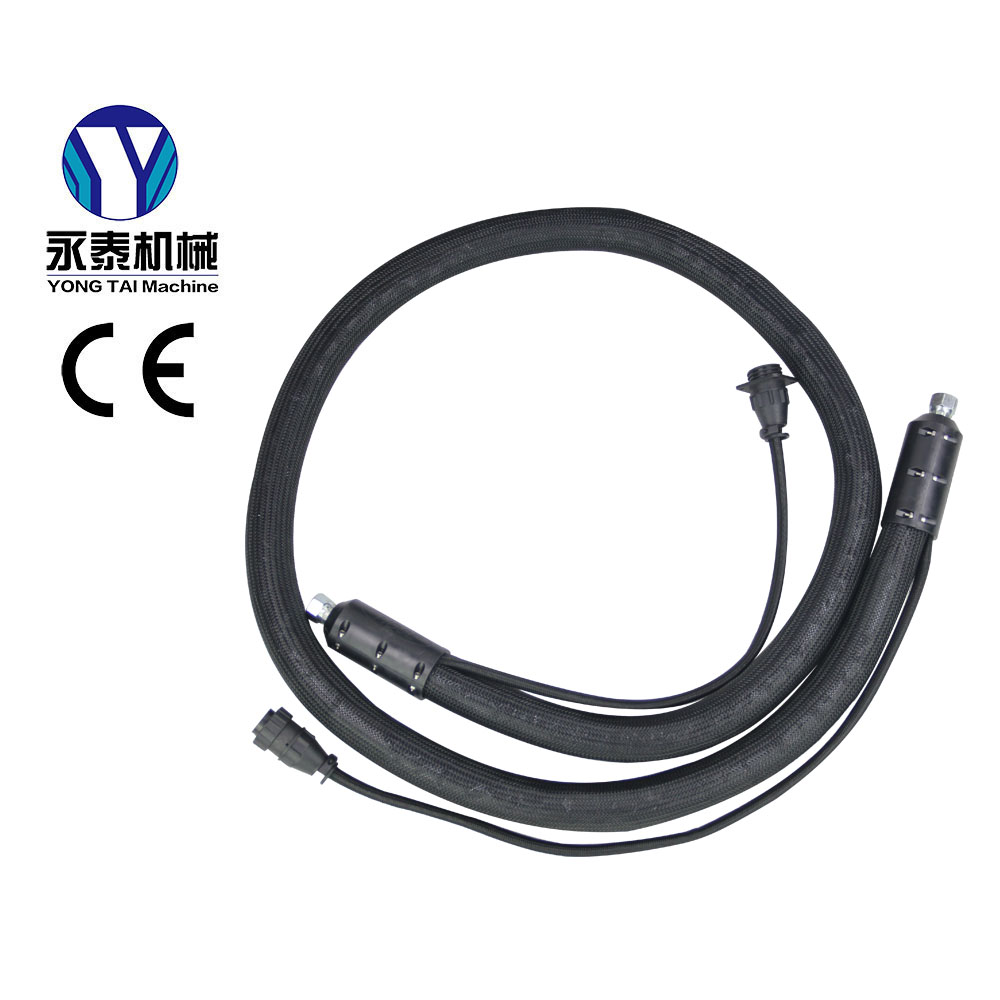
Профессиональное оборудование обеспечивает точный контроль температуры в пределах ±1℃ на протяжении всего процесса, с независимым регулированием температуры в трех секциях: в емкости с клеем, в клеевом шланге и в распылительной головке, гарантируя стабильное состояние клея от начала до конца.
Принцип работы: интеллектуальное ПИД-регулирование с замкнутым контуром.
Система регулирования температуры представляет собой не простой цикл нагрева и остановки, а замкнутую систему в реальном времени, включающую обнаружение-сравнение-корректировку:
1. Термопары и датчики температуры собирают данные о температуре каждой зоны в режиме реального времени.
2. Контроллер сравнивает измеренные значения с заданными значениями.
3. Алгоритм ПИД-регулирования быстро выдает сигнал регулировки мощности, предотвращая перерегулирование и задержку.
4. Твердотельные реле (ТТЛ) осуществляют переключение, точно регулируя мощность нагрева.
Ключевые технологии и конфигурация
Многозонный независимый нагрев: раздельное регулирование температуры для клеевого цилиндра, клеевого шланга и сопла, адаптируемое к различной длине шланга и типам клея.
Высокоточный датчик: быстрая реакция, минимальный дрейф и стабильная работа даже после длительного использования.
Защита от сухого сгорания и перегрева: автоматическое отключение питания при аномальной температуре, обеспечивающее безопасность.
Внутренний слой с тефлоновым покрытием и антипригарными свойствами: уменьшает количество клеевых остатков, минимизирует обугливание и облегчает очистку.
Вопросы и ответы о системе регулирования температуры
В1: Оборудование показывает нормальную температуру, но клей по-прежнему не растворяется, и сопло засоряется. Почему?
А: Причиной может быть смещение датчика, износ нагревательного элемента или чрезмерное накопление нагара во внутреннем резервуаре. Нагар может вызывать проблемы с изоляцией, в результате чего отображаемая температура будет правильной, но фактическая температура клея — недостаточной. Мы рекомендуем регулярно очищать внутренний резервуар, калибровать датчик и заменять изношенные нагревательные элементы.
В2: При использовании другого клея оборудование начинает работать нестабильно. Как отрегулировать температуру?
А: Во-первых, проверьте рекомендуемый температурный диапазон, указанный производителем клея. Стандартным является гладкое нанесение, отсутствие образования нитей и карбонизации. Обычно температура для клея EVA составляет 160–180℃, а для полиамида и полиуретана — 180–220℃. Сначала проведите тестирование при низкой температуре, затем постепенно повышайте температуру, чтобы избежать прямого воздействия высоких температур.
Вопрос 3: Требуется ли регулировка температуры в зимний и летний периоды?
А: Да. При низких температурах окружающей среды теплоотдача происходит быстро, поэтому температуру трубки и форсунки можно повысить на 5–10℃. При высоких температурах окружающей среды температуру следует снизить, чтобы избежать перегрева и обугливания.

III. Система подачи клея: «энергетическое сердце» для стабильного дозирования клея.
1. Основная функция Цель: Обеспечить стабильную, количественную и непрерывную подачу расплавленного клея из клеевого цилиндра в распылитель. Чем меньше колебания давления, тем равномернее распыление клея. Ключевые показатели эффективности: стабильность давления, точность расхода, совместимая вязкость и долговечность.
2. Сравнение трех типов насосов: шестеренчатый насос, винтовой насос, поршневой насос.
(1) Шестеренчатый насос
Принцип действия: шестерни зацепляются и вращаются, выдавливая клей вперед.
Преимущества: быстрая реакция, стабильная скорость потока, умеренная стоимость, простота обслуживания, подходит для средней и низкой вязкости (1000–20000 CPS).
Области применения: Высокоскоростные линии массового производства упаковки, запечатывания коробок и гигиенических товаров.
(2) Винтовой насос
Принцип действия: Вращение шнека приводит в движение клей, обеспечивая стабильное давление и низкое сдвиговое усилие.
Преимущества: высокое давление, низкая вибрация, низкий уровень шума, подходит для клеев высокой вязкости, содержащих небольшое количество наполнителя.
Области применения: кромочная окантовка мебели, ламинирование матрасов, отделка салона автомобилей, реактивные термоплавкие клеи на основе полиуретана.
(3) Поршневой насос
Принцип действия: Поршень совершает возвратно-поступательное движение, обеспечивая прерывистую подачу клея под высоким давлением.
Преимущества: Чрезвычайно высокое давление, подходит для сверхгустых клеев; Недостатки: Колебания расхода, высокие затраты на техническое обслуживание.
Области применения: высоковязкие конструкционные клеи, склеивание материалов в тяжелых условиях.
3. Основные параметры системы дозирования клея
Обратная связь и компенсация давления: автоматическая стабилизация давления предотвращает неравномерное дозирование клея из-за колебаний скорости производственной линии.
Многоступенчатая фильтрация: предотвращает попадание примесей в корпус насоса и сопловой клапан, продлевая срок их службы.
Рециркуляционный клапан: регулирует давление, защищает систему и обеспечивает более безопасное сброс давления во время остановки.
Термостойкое уплотнение: подходит для длительной эксплуатации при температуре выше 200℃, предотвращает протекание клея и старение.
4. Вопросы и ответы о системе подачи клея.
Вопрос 4: Давление колеблется, толщина клеевого шва меняется. Как устранить проблему?
А: В первую очередь следует проверить три пункта: ① Износ корпуса насоса и увеличенный зазор; ② Засорение фильтра; ③ Утечки воздуха или клея в трубопроводе. Очистите или замените фильтрующий элемент, проверьте уплотнения и при необходимости отремонтируйте корпус насоса.
В5: Шестеренчатые насосы постоянно испытывают трудности с высоковязкими клеями. Что делать?
A: ① Модернизация до шестеренчатого насоса высокого давления; ② Улучшение контроля температуры для уменьшения консистенции клея; ③ Увеличение размера насоса с запасом по расходу 15-20%; ④ Укорачивание трубопровода и уменьшение количества изгибов для снижения сопротивления.
В6: Почему после выключения аппарат не подает клей?
А: Клей затвердел и забил трубопровод и сопло из-за охлаждения. Прогрейте всю машину, поддерживайте температуру трубопровода и сопла, а затем постепенно увеличивайте давление; при длительных простоях рекомендуется слить остатки клея или периодически поддерживать температуру.
IV. Система распыления клея: прецизионное покрытие
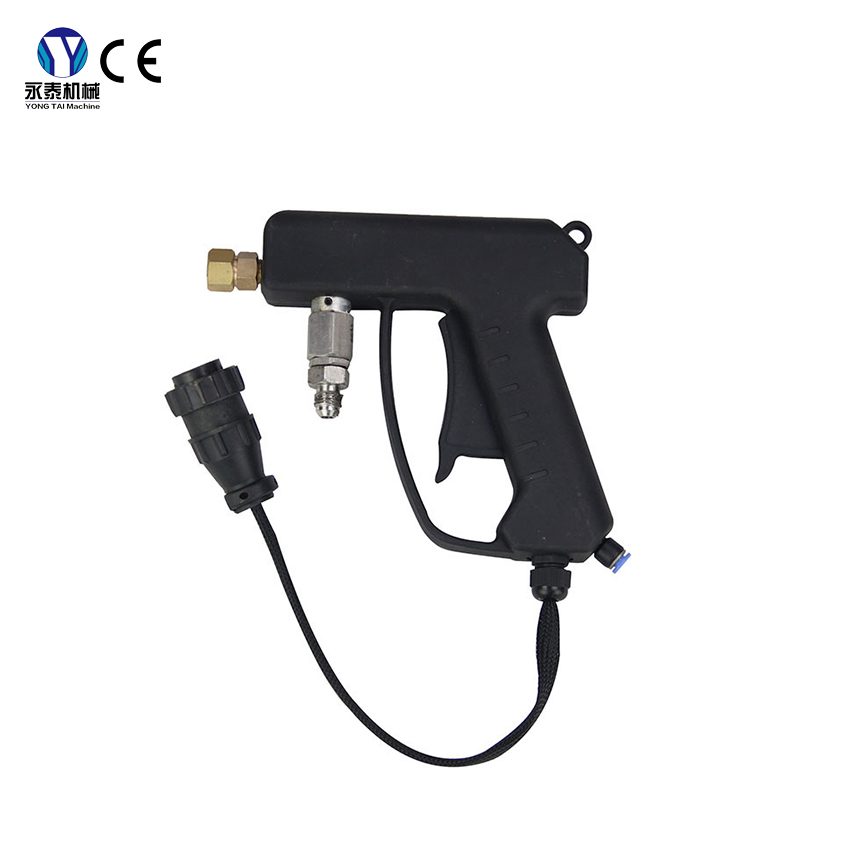
1. Основная функция Клей подается стабильно и наносится на изделие в соответствии с требуемой формой, положением, весом и скоростью, определяя конечный эффект склеивания. Основные требования: отсутствие образования нитей, отсутствие разводов, правильная форма клеевого слоя, высокая воспроизводимость и быстрая реакция.
2. Методы и сценарии нанесения клея
Клейкая точечная застежка: электронная фиксация, петли для ушей маски, одноточечная фиксация в упаковке.
Клейкая лента: для запечатывания картонных коробок, запечатывания боковых сторон картонных коробок, запечатывания кромок мебели.
Спиральный клей: ламинирование нетканых материалов, гигиенические изделия, воздухопроницаемое склеивание.
Волокнистый/спрей-клей: для нанесения тонких покрытий на большие площади, этикеток, ламинирования.
Нанесение покрытия скребком/валиком: ламинирование больших площадей досок, кожи, матрасов.
3. Основной компонент: клапан дозирования клея
Клапан высокочастотного дозирования клея имеет решающее значение для точности:
Частотная характеристика: стандартная 100–300 Гц, для высокоскоростных линий требуются еще более высокие частоты.
Повторяемость: в пределах ±0,5%, что обеспечивает равномерное нанесение клея на каждую каплю и каждый сегмент.
Уплотнительный материал: высокотемпературная фторкаучуковая резина, длительный срок службы, герметичность.
Конструкция головки пистолета: защита от образования нитей, чистое и без остатков нанесение клея.
4. Вопросы и ответы о системе распыления клея
В7: Постоянно образуются заусенцы и стяжки, что негативно сказывается на внешнем виде и эффективности. Как это исправить?
A: ① Соответственно повысьте температуру сопла, чтобы уменьшить вязкость клея; ② Уменьшите линейную скорость или увеличьте скорость срабатывания клапана; ③ Отрегулируйте задержку отключения подачи клея; ④ Замените сопло на сопло с защитой от образования нитей; ⑤ Проверьте стабильность давления воздуха.
В8: Объем клея сильно колеблется, а регулировка параметров нестабильна. В чем проблема?
А: Чаще всего это вызвано нестабильным давлением подачи клея и износом клапана сопла. Сначала стабилизируйте давление, затем проверьте уплотнения иглы клапана и седла клапана; замените сильно изношенные детали.
В9: Нужно ли заменять весь краскопульт, если требуется сменить тип клея для разных продуктов?
А: Нет. Большинство оборудования можно гибко адаптировать к производству различных видов продукции, меняя форсунки, регулируя давление воздуха и изменяя программу для переключения между точечным, линейным, спиральным и распылительным режимами.
V. Взаимодействие трех основных систем: как сделать оборудование более стабильным и долговечным.
1. Логика выбора
Сначала определите тип клея: вязкость, тип и рабочую температуру → определите диапазон регулирования температуры.
Далее определите процесс: скорость, форму клея и ширину нанесения → определите метод распыления.
Наконец, определите тип насоса: требования к расходу и давлению → выберите шестеренчатый, винтовой или поршневой насос.
2.
Пункты ежедневного технического обслуживания
Регулировка температуры: Регулярно калибруйте температуру, очищайте нагревательную поверхность и проверяйте датчик.
Подача клея: Регулярно заменяйте фильтр, проверяйте герметичность и смазывайте движущиеся части.
Распыление клея: очистите сопло, проверьте иглу клапана, слейте остатки клея и предотвратите засорение.
3.
Быстрый подход к устранению неполадок
Аномальная температура → проверьте систему контроля температуры.
Аномальное давление, отсутствие подачи клея → проверьте систему подачи клея.
Образование нитей, неравномерное нанесение, утечка клея → проверьте систему распыления.
Проверяя процессы в последовательности «контроль температуры → подача клея → распыление», можно быстро выявить 90% проблем.
VI. Резюме
Ключевое конкурентное преимущество машины для нанесения термоплавкого клея заключается в трех основных системах: контроле температуры, подаче клея и распылении клея. Стабильный контроль температуры обеспечивает высокое качество клея; стабильная подача клея гарантирует точное количество; стабильное распыление клея обеспечивает прочное сцепление.
Независимо от того, приобретаете ли вы новое оборудование или проводите техническое обслуживание существующего, освоение этих трех систем поможет вам избежать 80% проблем, повысит эффективность вашей производственной линии, сократит количество отходов и обеспечит более стабильное качество.
Если у вас возникнут какие-либо проблемы в процессе выбора, ввода в эксплуатацию или устранения неполадок, пожалуйста, не стесняйтесь обращаться к нам за бесплатной консультацией. Мы можем предложить индивидуальное решение и коммерческое предложение, основанное на используемых вами клеях, технологическом процессе и производственных мощностях.
 Связаться с нами
Тел : +86-13599291170
Мобильный : +86-13599291170


Поддерживается сеть IPv6